
 0
0
 0
0
Video games have given us more than high scores and immersive worlds—they’ve handed us characters who live in T‑shirts, memes, and Sunday conversations. This piece looks at 15 video game characters that became cultural icons, tracing how a mix of design, timing, and storytelling turned pixels into personalities people recognize far beyond gaming circles. I’ve watched fans line up for midnight releases and seen grandparents wear Mario caps at family gatherings; that shared recognition is the point where a character crosses into culture.
The mascots who crossed into mainstream
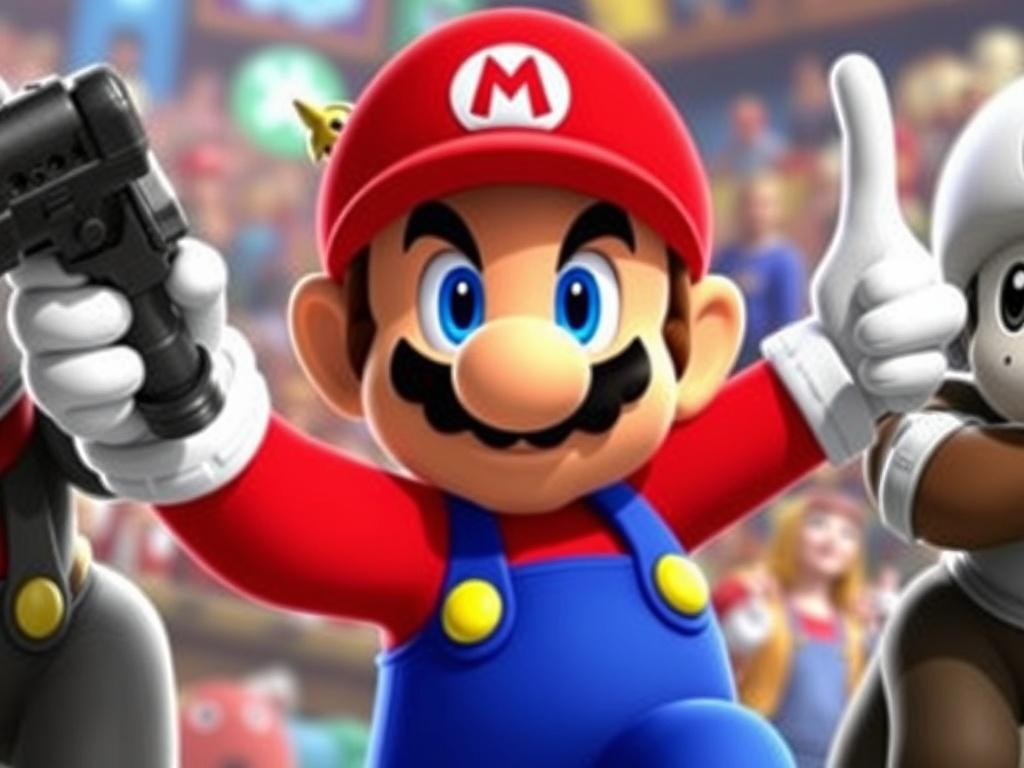
Mario, Sonic, and Pac‑Man are the household names most likely to get a smile out of someone who doesn’t play games. Mario began as an arcade carpenter and evolved into Nintendo’s everyman—his red cap and mustache are shorthand for play itself, used in everything from fashion to film tie‑ins. Sonic’s speed and attitude captured the ’90s rivalry culture, giving Sega a voice and a look that still appears in sneakers and pop music samples.
Pac‑Man predates modern consoles but remains one of gaming’s earliest ambassadors, a simple design that proved sticky enough to spawn cartoons, merchandise, and a cultural shorthand for the arcade era. Seeing Pac‑Man in unexpected places—restaurant decor, museum exhibits—reminds you how quickly a clear design and addictive gameplay can echo across generations. These three show how character design plus mass distribution creates cultural touchstones.
Heroes who redefined their genres
Link, Cloud Strife, and Geralt of Rivia changed expectations for what a game protagonist could be, each in their own era and style. Link gave action‑adventure an emotional spine: silent but expressive, he turned exploration into a personal journey felt by players rather than narrated. Cloud’s brooding aesthetic and cinematic debut in Final Fantasy VII brought JRPGs into mainstream storytelling, complete with fashion and soundtrack cues that still influence pop culture.
Geralt arrived later, but his morally grey, world‑weary persona helped bridge gritty fantasy literature and blockbuster game narratives, attracting non‑traditional gamers and TV viewers alike. The Witcher’s success on television introduced Geralt to millions who might never have picked up a controller, highlighting how transmedia adaptations amplify a character’s cultural footprint. Together, these heroes show how deep characterization can broaden an audience.
Action and sci‑fi staples
Master Chief, Samus Aran, and Solid Snake represent different faces of the shooter and stealth traditions, but each became shorthand for a whole gaming sensibility. Master Chief’s helmeted anonymity allowed players to inhabit an epic space opera, and Halo’s multiplayer culture turned his silhouette into a symbol of competitive gaming. Samus was revolutionary simply by existing: one of the earliest female protagonists, she challenged assumptions about who could carry an action game and influenced character design conversations for decades.
Solid Snake, meanwhile, gave us espionage with personality—his one‑liners and weary heroism made stealth feel cinematic, and Metal Gear’s political themes pushed games into mature territory. All three show how a strong premise—galactic soldier, bounty hunter, shadow operative—paired with memorable visuals can lock a character into the broader cultural imagination. I remember watching college dorms plastered with Halo posters; these characters anchor communities as much as they sell games.
Fighters, antiheroes, and brawlers
Ryu, Scorpion, and Kratos cover the spectrum from disciplined fighter to vengeful god, and each became referents beyond their original franchises. Ryu’s simple design and disciplined philosophy distilled fighting games into a recognizable archetype; his presence on arcade cabinets and in crossovers made him a global ambassador for competitive play. Scorpion’s “Get over here!” became a catchphrase that transcended Mortal Kombat, appearing in TV references and fan videos for years.
Kratos pushed action narratives toward mythic tragedy, his violent arc in God of War prompting debates about storytelling and masculinity in games. His later emotional turn showed that even brutal characters can evolve, which encouraged developers to treat game protagonists with narrative seriousness. Together, these fighters show how signature moves, memorable lines, and emotional depth make characters linger in public memory.
Faces that brought games to new audiences
Lara Croft, Pikachu, and Ellie are perfect examples of characters who pulled non‑gamers into the medium, each by different routes. Lara Croft became a 1990s icon: part adventurer, part celebrity, her image in magazines and movies made Tomb Raider a mainstream brand long before influencer culture. Pikachu, as Pokemon’s mascot, reached a younger demographic and then everyone else through cartoons, trading cards, and a marketing machine that turned a cute rodent into a global ambassador for gaming.
Ellie’s realistic storytelling in The Last of Us proved that games could tell emotionally complex, morally ambiguous stories with the same impact as film or literature, bringing skeptical audiences to the medium. Seeing people who rarely play games praise cinematic narratives and performances made me appreciate how character-driven stories act as bridges between cultures. These faces show that relatability and visibility expand a character’s reach far beyond the controller.
| Character | Franchise | Debut |
|---|---|---|
| Mario | Super Mario / Donkey Kong | 1981 |
| Sonic | Sonic the Hedgehog | 1991 |
| Pac‑Man | Pac‑Man | 1980 |
| Link | The Legend of Zelda | 1986 |
| Cloud Strife | Final Fantasy VII | 1997 |
| Geralt of Rivia | The Witcher | 2007 |
| Master Chief | Halo | 2001 |
| Samus Aran | Metroid | 1986 |
| Solid Snake | Metal Gear | 1987 |
| Ryu | Street Fighter | 1987 |
| Scorpion | Mortal Kombat | 1992 |
| Kratos | God of War | 2005 |
| Lara Croft | Tomb Raider | 1996 |
| Pikachu | Pokémon | 1996 |
| Ellie | The Last of Us | 2013 |
These 15 figures reveal a pattern: when character design, storytelling, and cultural timing align, video game figures escape their medium. They become references in conversations, inspirations for art and fashion, and sometimes, the faces of entire generations. That blend of craft and chance is what turns a favorite avatar into a cultural icon.


